
Radharamano Vijayate
Hindi —
*कथा सूत्र*
*भागवत कथा इंदौर*
हम जिस कथा को सुन रहे हैं वह तीन जगह से होकर आई है। नारद जी ने श्री कृष्ण द्वैपायन वेदव्यास जी को कुछ सुनाया है, दूसरी तरफ श्री शुकदेव देव जी ने राजा परीक्षित को सुनाया है, और तीसरे घाट पर सूत जी ने शौनकादिक ऋषियों को सुनाया है, इन तीनों प्रसंगों से मिश्रित होकर हमारे सामने श्रीमद् भागवत जी की कथा प्रकट हुई है। यह चार घाट हैं।एक घाट पर श्री नारद जी और व्यास जी बैठे हैं, दूसरे घाट पर श्री शुकदेव देव जी और परीक्षित जी बैठे हैं, तीसरा घाट है जहां सूत जी और शौनक जी बैठे हैं, और चौथा घाट है जहां हम और आप बैठे हैं। भागवत जी के जितने भी प्रसंग हैं वह इन चार घाटों से होकर आते हैं।कोई प्रसंग होता है जो सूत और शौनक जी के बीच है, कोई प्रसंग होता है जो शुकदेव और परीक्षित जी के बीच है, और कोई प्रसंग होता है जो नारद जी और व्यास जी के बीच है, और कोई कोई प्रसंग होता है जो हमारे और आपके बीच है। इसी प्रकार यह भागवत की रूपरेखा तैयार होती है। इसलिए तीन जगह के प्रसंग कहे गए हैं और भागवत के मंगलाचरण के भी तीन ही श्लोक हैं। और इनमें तीन तत्वों की व्याख्या की गई है। भगवान का स्वरूप क्या है ,संसार का स्वरूप क्या है ,और जीव का स्वरूप क्या है। अगर हम इन तीन चीजों को समझ लें तो सब समझ में आ जाएगा। हम किसी आयोजन में जाते हैं तो कुछ चीजें होंगी जो प्रयोग करने के बाद फेंक दी जाएगीं। कुछ चीज होगी जो प्रयोग करने के बाद वापस लौटानी होंगी, और कुछ चीज ऐसी होगी जो हमारे घर से आई होगी और हम आयोजन के बाद अपने घर वापस ले जाएंगे। मान लीजिए कुछ ऐसी वस्तु जो आपको वापस लौटाना थी उसको तो डिस्पोज कर दिया, जो आपके घर का बर्तन आया था, उसको डस्टबिन में डाल दिया। और जो यहां कैटरिंग से आया हुआ सामान था वह आप घर ले गए तो सब कहेंगे यह तो बड़ा भारी मिस मैनेजमेंट है, यह गड़बड़ होगी। फैंकने वाली वस्तु को रख लिया जाए, लौटने वाली वस्तु को फेंक दिया जाए और घर ले जाने वाली वस्तु को छोड़ दिया जाए। तो अव्यवस्था हो जाएगी और लौटने वाली वस्तु लौटा दी जाए ,रखने वाली वस्तु रख ली जाए, और फेंकने वाली वस्तु फेंक दी जाए, इसका मतलब यह है कि व्यवस्था बिल्कुल उत्तम है ,इसी को ज्ञान कहते हैं। फेंकने वाली वस्तु को रखना ही अज्ञान है, रखने वाली वस्तु को रख लेना ही ज्ञान है, और रखने वाली वस्तु को छोड़ देना ही अज्ञान है, लौटाने वाली वस्तु को बिना किसी मोह के लौटा देना ही ज्ञान है। इस प्रकार से इस दुनिया का विभाजन भी इन तीन चीजों से हुआ है, यहां कुछ ऐसा है जो लौटाना है जो आपको थोड़ी देर प्रयोग के लिए मिला है, यहां कुछ ऐसा है जो प्रयोग के बाद फेंकना है, जैसे खुद आपका शरीर। आप कितना भी इसे संभाल लीजिए और बहुत सालों के बाद स्वयं चार कंधों पर चढ़ाकर उसे डिस्पोज करना है। कुछ सामान ऐसा है जो फेंकने योग्य है और कुछ सामान ऐसा है जो ले जाने योग्य है। अगर इतना सा विवेक हमारे भीतर आ जाए तो हमें किसी चीज से मोह नहीं होगा। हमारे भीतर कोई प्रमाद नहीं होगा, हमारे भीतर कोई अज्ञान नहीं होगा, जो चीज लौटाना है और अगर आप कह दे कि नहीं हमें नहीं लौटाना, तो इसी का नाम अज्ञान है। इस शरीर से उतना ही संबंध रखना चाहिए मालूम है कि यह एक दिन साथ छोड़ देगा इस दुनिया से उतना ही संबंध रखना चाहिए मालूम है कि इसे छोड़ ही देना है तो उसे उतना ही संबंध रखना चाहिए। इस पूरी व्यवस्था को अगर हमने समझ लिया तो ना हमें मोह होगा ना हमें प्रमाद होगा और ना हमें दुख होगा। यह पूरी दुनिया हमें प्रारब्ध के किराए पर मिली है, एक दिन हमें वापस लौटानी पड़ेगी समय पर जो लौटाना शुरू कर देता है, तो यह दुनिया कहती है कि चलो समाज को लौट रहे हैं। अब तो हमें कहना चाहिए कि दुनिया को वापस देने का समय आ गया है।शरीर को तो एक दिन जलना ही पड़ेगा। समाज को तो एक दिन लौटाना ही पड़ेगा, अगर इस पूरी व्यवस्था में आपका अगर कोई है तो ईश्वर के अलावा कोई नहीं है। *वह राधा रमण ही केवल हमारे हैं।* इतनी सी व्यवस्था को जिसने समझ लिया उसके सामने सारा ज्ञान साफ हो गया। इतनी सी बात ही अगर हमारे जीवन में घटित हो जाए तो यह सब हमें समझ में आ गया।
*गुरुदेव समर्पणम*
।।परमाराध्य पूज्य श्रीमन माध्व गोडेशवर वैष्णवआचार्य श्री पुंडरीक गोस्वामी जी महराज ||
#pundrikjisutra #Awakening #Divine #BhagwatKatha #Spiritual #Radha #Krishna #radharaman #Hindu #Motivation
For English—
II Shree Radharamanno Vijayatey II
II Jai Shree Nitai Gaur Hari Bol II
Katha Sutra:
Shrimad Bhagavata Katha, Indore
The sacred Katha that we all are hearing has originated from three great confluences before reaching us. At one level, Shree Narada narrated it to Shree Krishna Dvaipayana Vyasa. At another, Shree Shukadeva narrated it to Maharaja Parikshit. And at the third, Shree Sutaji Maharaj narrated it to Shaunakadi Rishis. Emerging from union of these three sacred narrations, the Shrimad Bhagavata Katha reaches us.
There are four seperate Ghata or banks. On one ghata Shree Narada and Shree Vedavyasa are seated; on the second Shree Shukadeva and Maharaja Parikshit; on the third Shree Sutaji and Shaunakadi Rishis and on the fourth ghata we all are sitting. Every episode of the Bhagavata flows through these four banks. Some narrations are between to Shree Sutaji and Shaunakadi Rishis, some are between Shree Shukadeva and Parikshit, some between Shree Narada and Vedavyasa and some unfold directly between the scripture and our soul. This is how the structure of the Shrimad Bhagavata is formed.
This is also why the Bhagavata speaks of three planes and its opening benediction consists of three verses. Within them, three fundamental realities are revealed:
the nature of God,
the nature of the world, and
the nature of the individual soul or jiva.
If these three are understood correctly, then everything is understood.
Consider this simple analogy: when we attend a large gathering or ceremony, there are three things involved. Some are meant to be used and discarded. Some are meant to be used and then returned. And some are our own belongings, which we bring from home and take back.
Now imagine the confusion if we were to discard what must be returned, throw away what belongs to us and carry home what was meant to be disposed. It will become a complete mess. Keeping what should be discarded, discarding what should be kept, and throwing what should be taken back; this is utter chaos.
But when what is to be returned is returned, what is to be kept is kept, and what is to be discarded is discarded, then the system is perfect. This understanding is called knowledge or Gyana.
To preserve what should be discarded is ignorance.
To discard what should be preserved is stupidity.
To return what must be returned without any attachment is knowledge.
In the same way, the world is also divided into three categories. There are things that are merely on loan, given to us for temporary use and then returned in good condition. There are things meant to be discarded, like the physical body. No matter how carefully we maintain it, one day it will be carried on four shoulders and consigned to dissolution. While some things are meant to be carried forward.
If even a little discrimination awakens within us, attachment will dissolve, negligence will vanish and the ignorance will be destroyed. To refuse to return what must be returned is ignorance. To cling to what is destined to depart is delusion.
We should relate to the body only with the awareness that one day it will leave us. We should relate to the world only with this understanding that it must ultimately be relinquished. When this is clearly understood, there will neither be any attachment nor any sorrow.
This whole world has been given to us on the lease as per our prarabdha. One day it must be returned. One who begins returning it on time is said to be returning to society. In reality, we should recognize that the time has come to go home. The body will one day be consigned to flames. The society must one day be relinquished.
This understanding should arise that if anything truly belongs to us, it is none other than God.
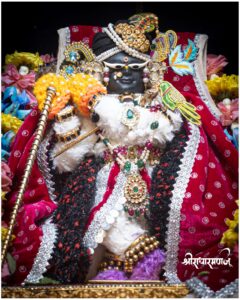
Shree Radha-Ramana alone is ours.
One who understands this finds all the knowledge awaken within him.
II Gurudeva Samarpanam II
II Paramaradhya Pujyapada Shreemann ManMadhva Gaudeshwara Vaishnavacharya Dr Shree Pundrik Goswamiji Maharaj II
Join WhatsApp channel —
https://whatsapp.com/channel/0029VaB0YbMADTOCrqLc501S
Join Instagram broadcast channel —
https://ig.me/j/Abadcnh_KltVCdGh/
